


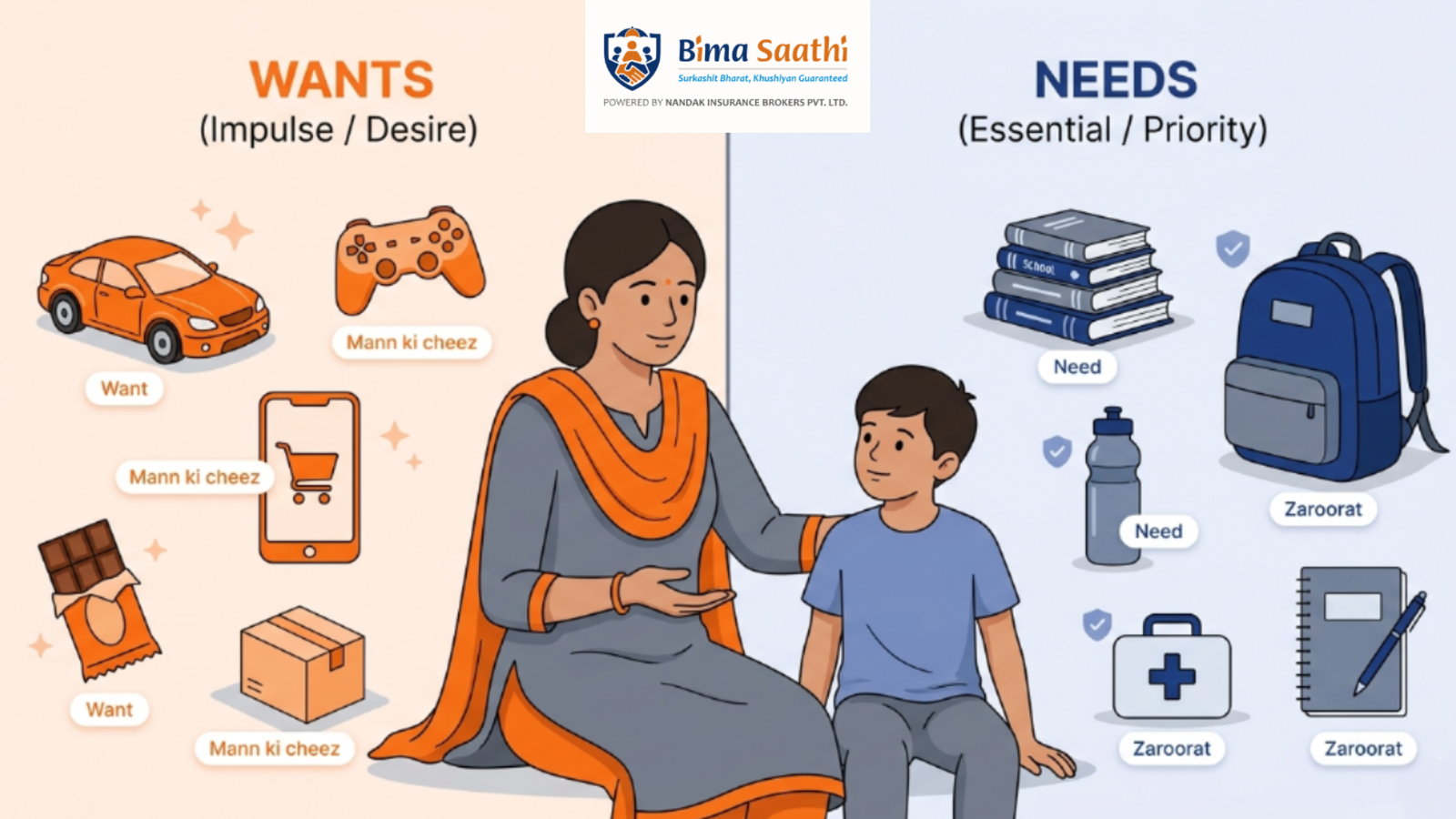
मुख्य सारांश
माँ सिर्फ घर नहीं संभालती वह financial habits भी shape करती है। ₹10 को gullak में बचाने से लेकर “ज़रूरत vs शौक” सिखाने तक, mothers quietly एक बच्चे का money mindset बनाती हैं। यह ब्लॉग explore करता है how mothers shape financial habits of children, real examples, data और insights के साथ।
👩👧 माएँ बच्चों की financial habits कैसे shape करती हैं
“पैसे पेड़ पर नहीं उगते।”
हर Indian घर में यह लाइन किसी न किसी माँ ने ज़रूर बोली होगी।
और शायद तब irritate कर देती थी…
पर आज समझ आता है
यह सिर्फ dialogue नहीं था, बल्कि financial education का पहला lesson था।
India में financial literacy काफी low है।
SEBI surveys के अनुसार, सिर्फ ~27% Indians financially literate हैं।
तो फिर बाकी लोग financial decisions कैसे सीखते हैं?
👉 घर से
👉 माँ से
Mothers अक्सर:
- Household budget manage करती हैं
- Expenses prioritise करती हैं
- Savings discipline maintain करती हैं
बच्चा observe करता है और quietly learn करता है।
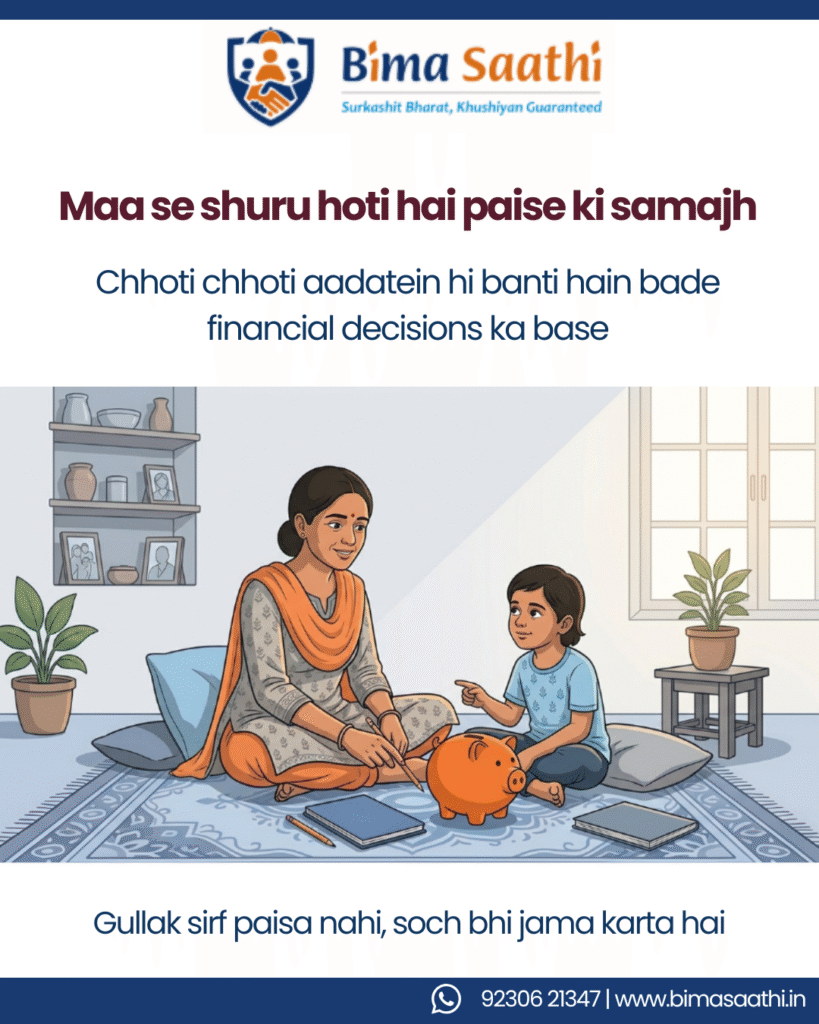
रोज़ की आदतें जो lifetime money mindset बनाती हैं
माँ financial planning PowerPoint से नहीं सिखाती वह routine से सिखाती है।
Common habits:
- सब्ज़ी वाले से bargaining
- “Offer में ले लो, सस्ता पड़ेगा”
- “इसकी ज़रूरत है या बस मन कर रहा है?”
ये छोटे actions सिखाते हैं:
👉 Value of money
👉 Needs vs wants
👉 Smart spending
Examples की ताकत: Gullak से Portfolio Management तक
1. “डब्बा” सिस्टम: Original Emergency Fund
लगभग हर Indian बच्चे ने देखा है कि उसकी माँ crisis के समय किसी hidden cupboard से cash निकालती है।
यह सिर्फ “पैसे छुपाना” नहीं है यह Liquidity Management की masterclass है।
यह सिखाता है:
चाहे life कितनी भी अच्छी चल रही हो
income का एक हिस्सा हमेशा अलग और untouched रहना चाहिए “unseen” situations के लिए
2. Grocery Negotiation: Value over Price सिखाना
जब माँ अलग-अलग दुकानों में दाल के दाम compare करती है या seasonal sale का wait करती है,
वह actually Opportunity Cost सिखा रही होती है।
आज ₹50 बचाने का मतलब
कल ₹50 किसी और ज़रूरी चीज़ के लिए available होना
3. “Priority” Conversation
“आज यह नहीं खरीदेंगे क्योंकि हमें आपकी बहन की higher education के लिए बचत करनी है।”
इस तरह के conversations सिखाते हैं:
Goal-Based Investing
बच्चा समझता है:
पैसा सिर्फ खर्च करने के लिए नहीं होता
यह life milestones achieve करने का tool है
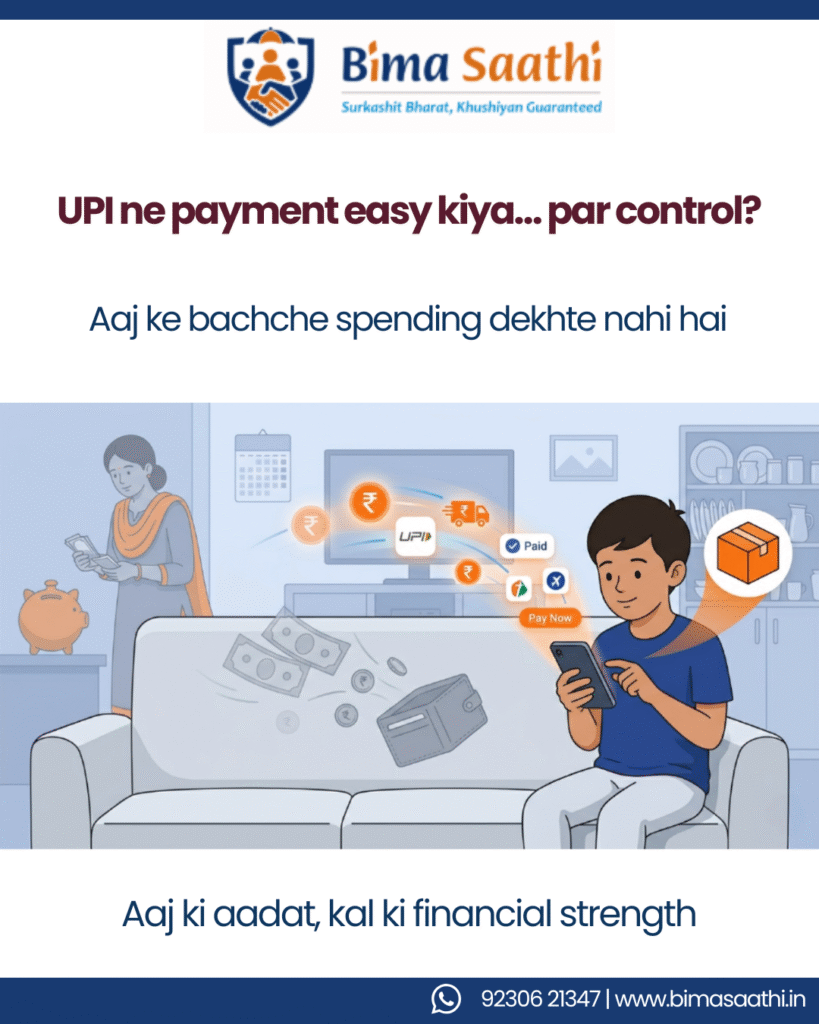
Problem: Modern “Entitlement” Trap
आज के digital age में:
1. Instant Gratification
Apps 10 मिनट में सब deliver कर देती हैं
👉 “wait और save” का concept कमजोर हो जाता है
2. Invisible Money
UPI और credit cards से cash दिखता नहीं
👉 पैसा “infinite” लगने लगता है
3. Peer Pressure
Social media lifestyle comparison create करता है
👉 Result:
High earning potential
लेकिन zero financial discipline
अगर mothers actively इन trends को counter नहीं करें:
बच्चे early career में debt traps में फँस सकते हैं
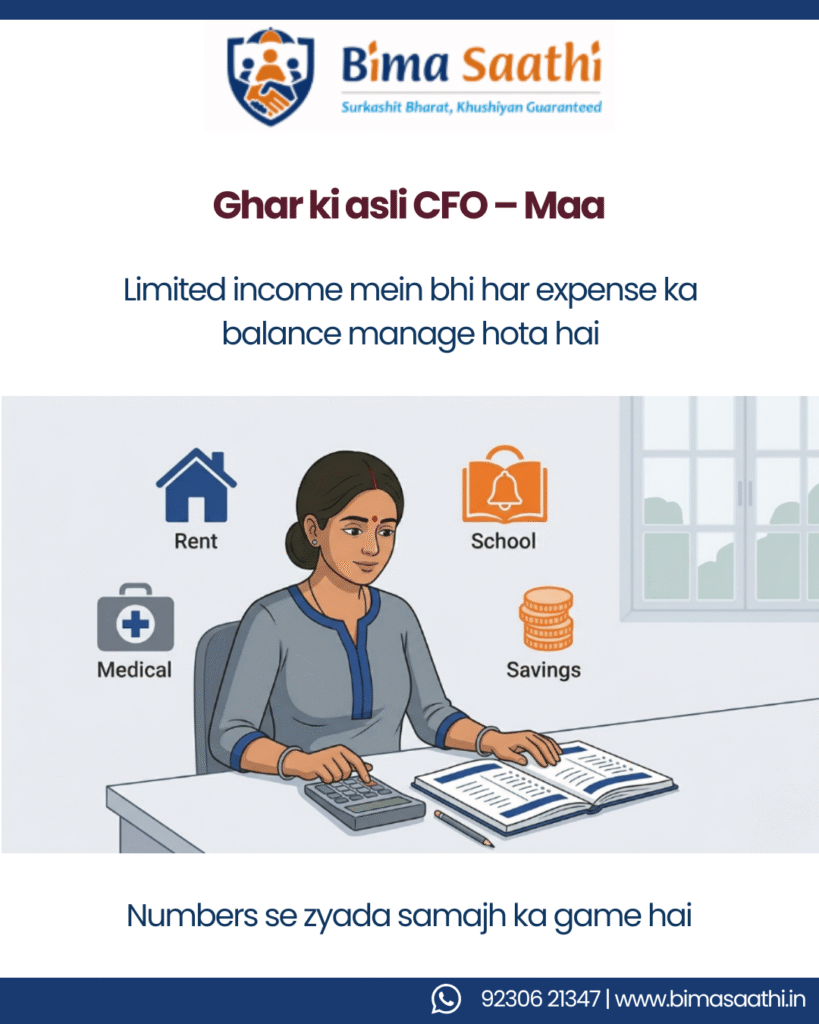
🏠 The Invisible Budget Manager
अगर आप ध्यान से देखें,
👉 माँ घर की CFO होती है—without title
Example:
Family income: ₹40,000/month
- Rent
- School fees
- Groceries
- Medical
- Savings
और फिर भी घर smoothly चलता है।
कैसे?
- Prioritisation
- Planning
- Sacrifice
अक्सर mothers:
- अपनी needs delay करती हैं
- Family को पहले रखती हैं
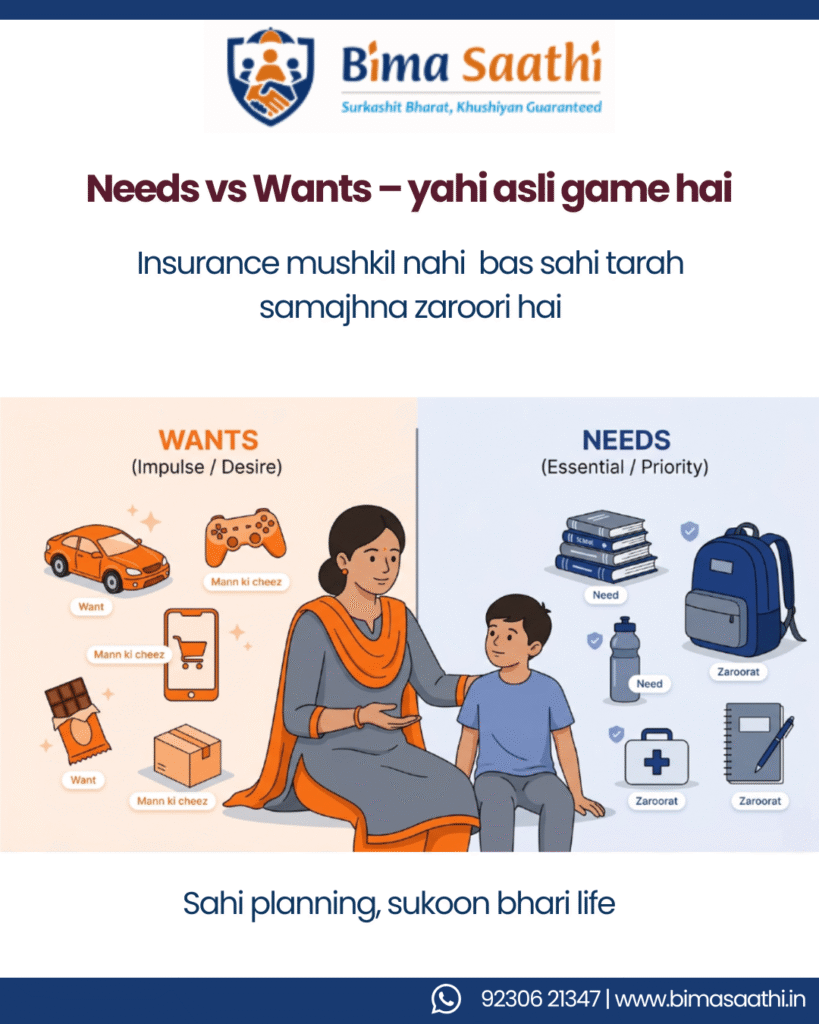
Needs vs Wants: सबसे powerful lesson
Child: “मुझे new toy चाहिए”
Maa: “पहले बताओ—ज़रूरत है या बस मन?”
यही moment सबसे powerful होता है।
👉 बच्चा pause करना सीखता है
👉 Emotional spending control होता है
👉 Decision-making improve होती है
आज के time में:
- BNPL (Buy Now Pay Later)
- Credit cards
- Easy EMI
Impulse spending और आसान हो गई है
RBI data के अनुसार:
👉 India में unsecured credit usage तेजी से बढ़ रहा है
“हर खरीदारी ज़रूरी नहीं होती… पर हर decision ज़रूरी होता है।”
Risk Awareness: Protection का असली मतलब
Indian mothers risk को अलग तरीके से समझती हैं।
उनका focus होता है:
- “कल क्या होगा?”
- “Emergency आए तो?”
इसलिए:
- Gold savings
- Cash reserves
- Informal safety nets
लेकिन आज के modern world में यह enough नहीं है।
👉 India में ~70% लोग adequate insurance cover के बिना हैं
यह gap dangerous है।
👉 यहाँ POSP का role आता है: Awareness + guidance
“माँ protection समझती है… पर system समझाना ज़रूरी है।”
Financial Behaviour Emotional होता है, Logical नहीं
Research दिखाता है:
👉 Money decisions emotional होते हैं
👉 Logical कम होते हैं
Emotions आते हैं:
👉 Childhood conditioning से
अगर घर में:
- Fear-based spending → बच्चा risk-averse बनता है
- Balanced approach → confident decision maker बनता है
Mothers emotional anchors होती हैं
उनका tone:
- Calm
- Practical
- Grounded
👉 यह directly impact करता है financial confidence
“पैसे का relation numbers से कम… upbringing से ज़्यादा होता है।”
🧩 Solutions: Mothers कैसे Modern Financial Parenting करें
1. Insurance का “Why” समझाएँ
Premium चुपके मत भरें। Teenager को बताएं:
👉 “हम यह Health Insurance इसलिए लेते हैं ताकि अगर कोई बीमार हो जाए, तो आपके college dreams compromise न हों।”
2. 3-Jar Method for Kids
तीन jars use करें:
- Save → long-term goals
- Spend → immediate needs
- Give → empathy सीखने के लिए
3. Budget को Game बनाएं
बच्चे को ₹500 दें
👉 Movie या dinner—choice खुद करे
अगर budget cross करे:
👉 bail-out मत करें
“₹500 में सीख लिया… तो ₹5 लाख का नुकसान बच गया।”
4. Safety Net Concept जल्दी समझाएँ
Insurance = umbrella
👉 बारिश नहीं चाहिए
👉 पर जब आती है, तो umbrella काम आता है
📚 पहले समझें, फिर समझाएँ
👉 भारत में Young Parents के लिए Financial Planning: बच्चे के सपनों की शुरुआत पहले दिन से सुरक्षित करें
https://bimasaathi.in/financial-planning-for-young-parents-in-india-securing-your-childs-dreams-from-day-one/
👉 हर परिवार को Financial Goals नहीं, Financial Shield की ज़रूरत होती है
https://bimasaathi.in/har-family-ko-financial-goals-nahi-financial-shield-ki-zaroorat-hoti-hai/
👉 Income Protection: Financial Stability की मजबूत नींव
https://bimasaathi.in/income-protection-the-foundation-of-financial-stability/
ये articles help करेंगे:
- Protection समझने में
- Real-life financial risks समझने में
“समझा हुआ इंसान ही सही decision लेता है।”
Final Takeaway: Financial Education घर से शुरू होती है
School सिखाता है:
- Math
- Science
पर life सिखाती है:
- Money
- Responsibility
- Security
और यह सब:
👉 माँ से शुरू होता है
अगर आज आप financially aware हैं,
👉 तो उसमें माँ का role ज़रूर है
“आपका bank balance बाद में बनता है… पहले mindset बनता है।”
Bima Saathi के साथ Financial Awareness आगे बढ़ाएँ
अगर आप:
- Financial awareness build करना चाहते हैं
- POSP opportunity explore करना चाहते हैं
- लोगों को सही guidance देना चाहते हैं
BIMA SAATHI आपके साथ है – guide करने के लिए, push करने के लिए नहीं
📞 Call / WhatsApp: +91 92306 21347
📧 Email: support@bimasaathi.in
🌐 Website: https://bimasaathi.in/
Decision आपका होगा, Saath हम देंगे
FAQs
1. How do mothers shape financial habits of children?
Mothers रोज़ के financial decisions, budgeting और needs vs wants सिखाकर habits shape करती हैं।
2. Why are mothers important in financial education in India?
Mothers household finances manage करती हैं और बच्चों का money mindset early stage में बनाती हैं।
3. At what age do children learn money habits?
Children लगभग age 7 तक money habits develop करना शुरू कर देते हैं।
4. Can financial habits learned in childhood impact adult life?
हाँ, childhood habits adult financial decisions को strongly influence करती हैं।
5. How can POSPs use this insight in financial selling?
POSPs mothers को respectfully engage करके और simple explanation देकर trust build कर सकते हैं।

Leave A Comment