


KEY SUMMARY
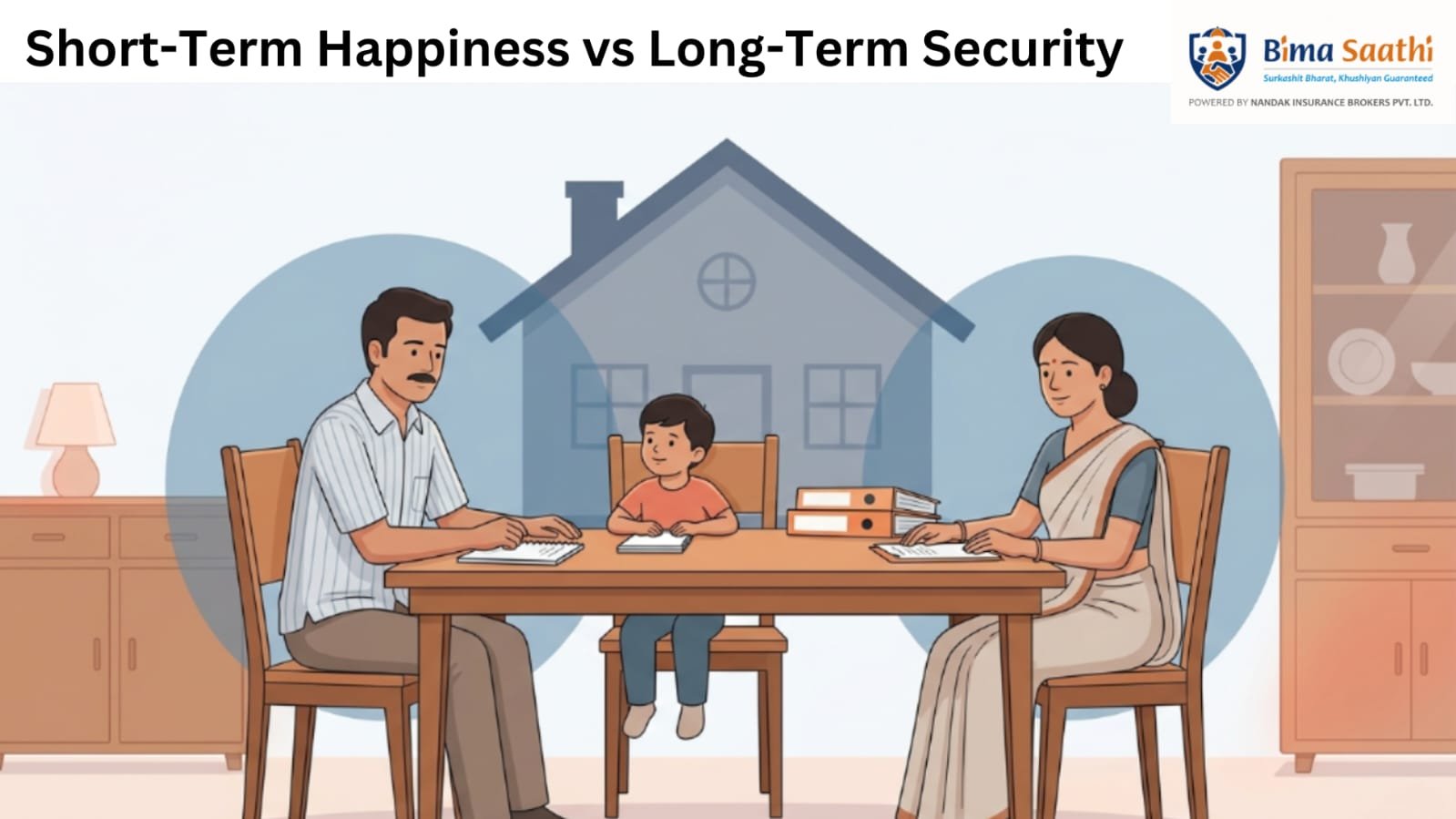
Short-term khushi tempting hoti hai – EMI pe gadgets, quick spending, instant lifestyle upgrades. But long-term security ignore karna heavy pad sakta hai. This blog explains the real trade-off between short-term happiness vs long-term security, especially for those exploring stable income options. With real examples, data, and simple insights, you’ll understand how small disciplined decisions today can create sustainable income, confidence, and financial stability tomorrow.
Introduction: Why We Choose Today Over Tomorrow
Why is it so hard to save for a retirement that is thirty years away, but so easy to spend on a smartphone that will be obsolete in three? Behavioral economists call this Hyperbolic Discounting. We perceive rewards in the distance as less valuable than rewards right now.
However, life in 2026 has shown us that “certainty” is a myth. Whether it’s shifting market conditions or unexpected health challenges, the only thing we can control is our preparation. Short-term happiness provides a temporary spike in dopamine, but long-term security provides a permanent foundation for well-being.
Real-Life Examples: The Tale of Two Paths
Scenario A: The “Live for Today” Enthusiast
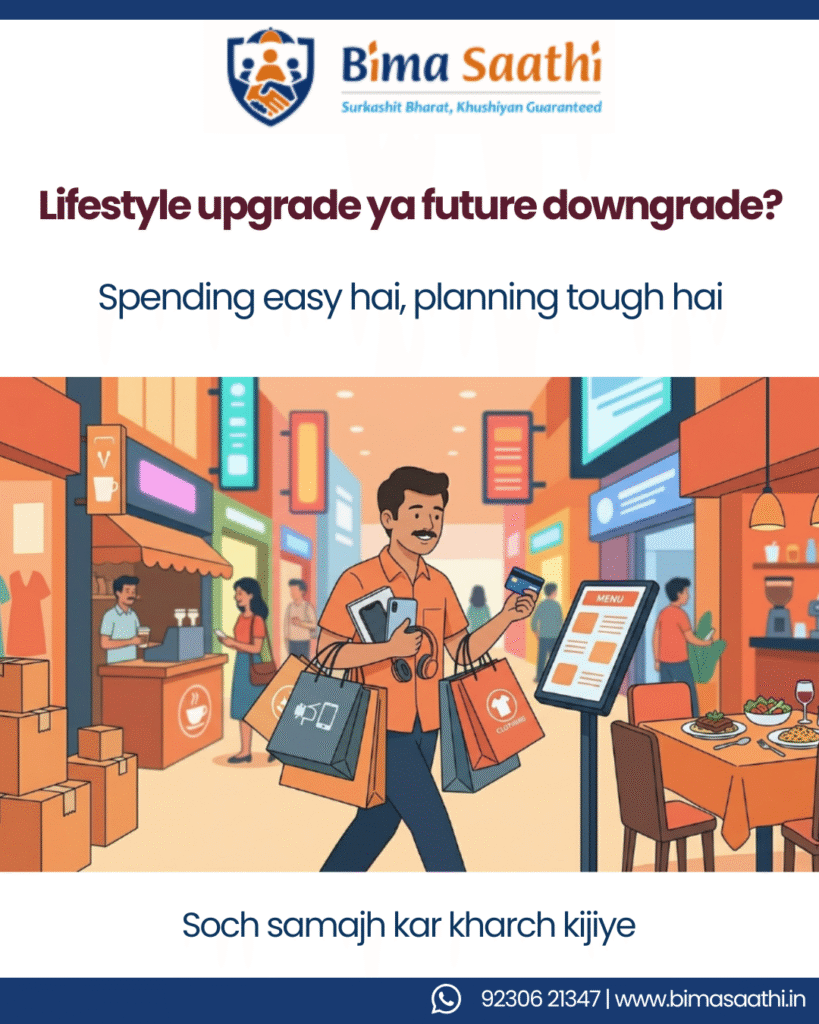
Meet Rahul. Rahul earns a great salary and believes in “YOLO” (You Only Live Once). He spends 80% of his income on high-end lifestyle choices—dining out, luxury subscriptions, and the latest gadgets. He has no health insurance (relying only on his corporate cover) and no emergency fund.
- The Trade-off: High immediate happiness, but a single medical emergency or a job layoff could result in a total financial collapse.
Scenario B: The “Balanced Planner”
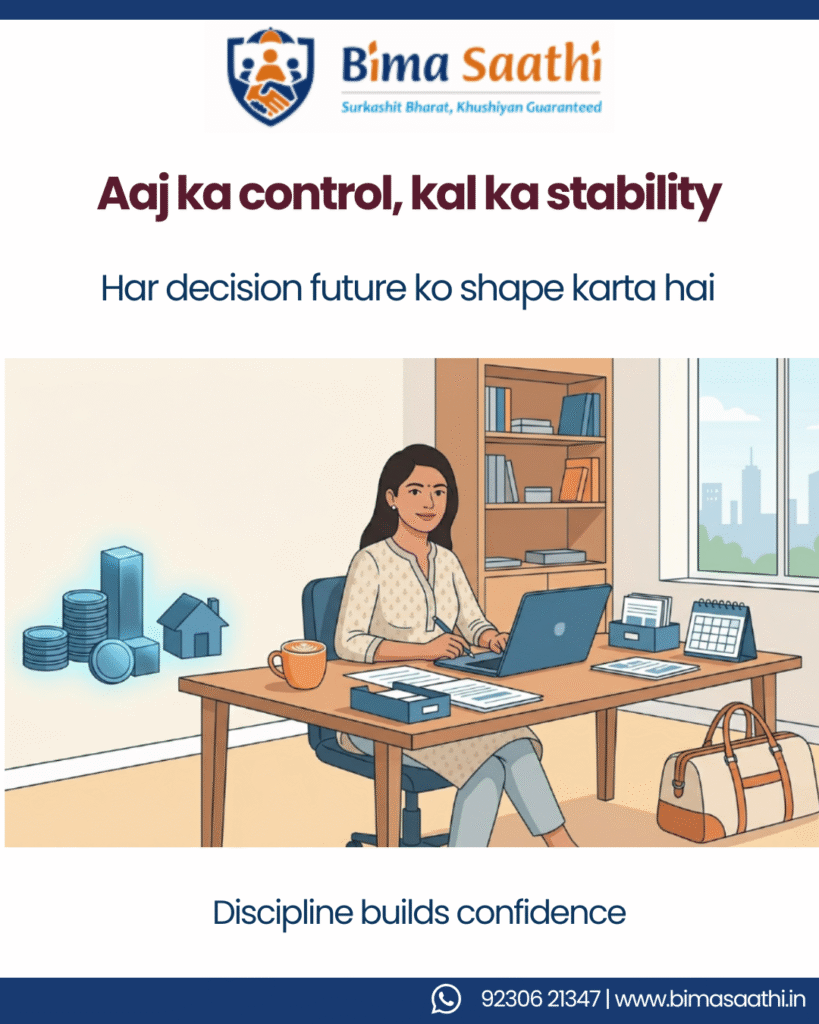
Meet Anjali. She enjoys her life but follows a strict “Zimmedari Pehle” (Responsibility First) philosophy. She automates her savings, maintains a standalone health policy, and has a term plan. She still travels and dines out, but only after her “Future Self” has been paid.
- The Trade-off: Moderate immediate spending, but she possesses the “Happiness of Security”—the freedom to live without fear.
Short-Term Happiness: Instant Gratification ka Trap
Short-term happiness ka matlab simple hai
👉 Jo abhi accha lag raha hai, woh kar lo.
Examples:
- Credit card pe iPhone
- Weekend spending without tracking
- “Kal se saving shuru karenge” mindset
According to RBI data, India’s household savings rate has declined from ~23% (2010) to around 18% in recent years. Spending badh raha hai, saving discipline kam ho raha hai.
Problem kya hai?
Short-term happiness:
- Planning delay karta hai
- Financial stress future mein push karta hai
- Income dependency ko risky bana deta hai
Ek simple example:
Rahul earns ₹30,000/month
- ₹10,000 lifestyle spend
- ₹5,000 EMI
- ₹0 savings
Sab kuch theek lag raha hai jab tak ek emergency na aa jaaye.
👉 How Rising Expenses Are Outpacing Salaries: The Reality Every Indian Family Must Face
https://bimasaathi.in/how-rising-expenses-are-outpacing-salaries-the-reality-every-indian-family-must-face/
Long-Term Security: Slow, Stable, Powerful
Long-term security boring lag sakti hai… par powerful hoti hai.
Iska matlab:
- Emergency fund
- Insurance protection
- Stable income streams
India mein only ~30% population has adequate life insurance cover.
Matlab 70% log financially vulnerable hain.
Agar income ruk jaaye toh?
EMI rukti nahi. Expenses rukte nahi.
Yahan se realisation aata hai:
👉 Security is not a luxury. It’s a responsibility.
“Planning boring lagti hai jab tak planning ki zaroorat na pad jaaye.”
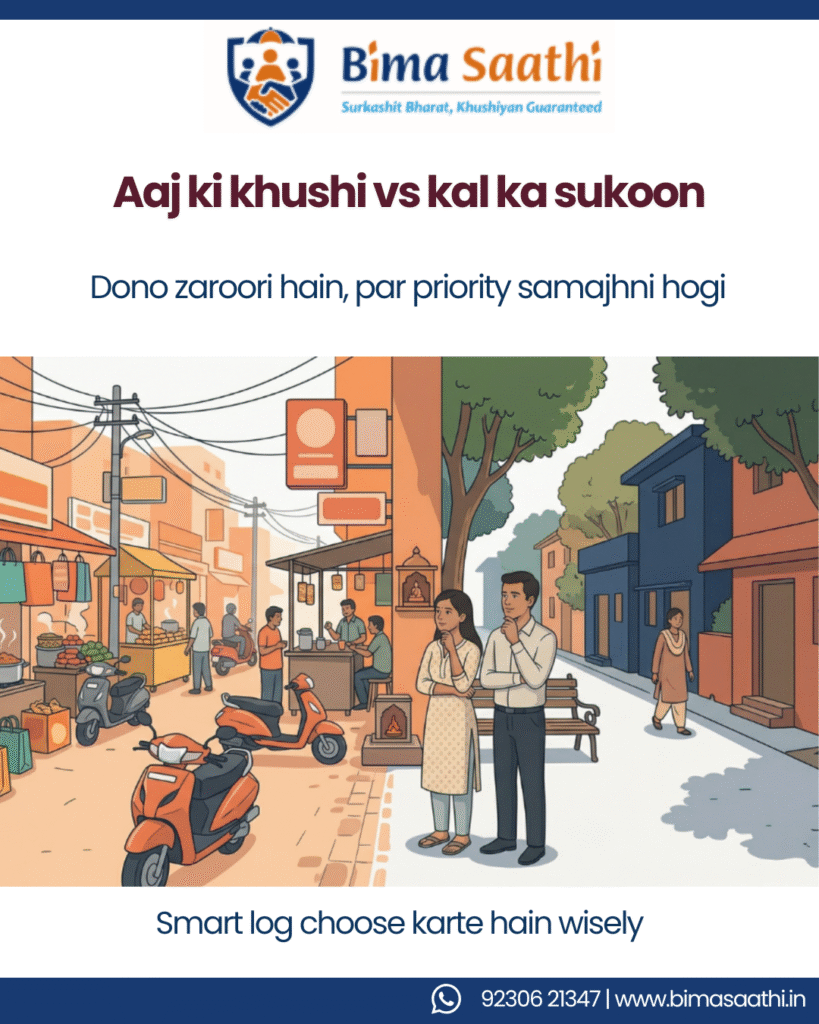
The Real Trade-Off: Aap Actually Choose Kya Kar Rahe Ho?
Log sochte hain:
👉 “Thoda enjoy kar lete hain, baad mein serious ho jayenge.”
Reality:
Aap consciously ya unconsciously choose kar rahe ho:
| Short-Term | Long-Term |
| Instant comfort | Future stability |
| Lifestyle upgrade | Financial resilience |
| Temporary happiness | Permanent confidence |
Solutions: How to Bridge the Gap
1. The 50-30-20 Rule for Continuity
To balance both worlds, use a structured budget:
- 50% for Needs: Rent, groceries, utilities, and essential insurance premiums.
- 30% for Wants: This is your “Short-Term Happiness” fund. Spend it guilt-free on hobbies and entertainment.
- 20% for Savings & Debt Repayment: This is your “Long-Term Security” fund.
2. Upgrade Your Emergency Buffer
A 3-month buffer is no longer enough in a volatile economy. Aim for a 6–9 month “Survival Fund” kept in liquid assets. This allows you to say “no” to a bad job or “yes” to a new opportunity without panic.
3. Decouple from Corporate Dependence
Relying solely on employer-provided health insurance is a major risk. If you lose your job, you lose your cover exactly when you are most financially vulnerable. Secure a standalone family floater plan to ensure your savings remain untouched during a hospital visit.
4. Income Protection
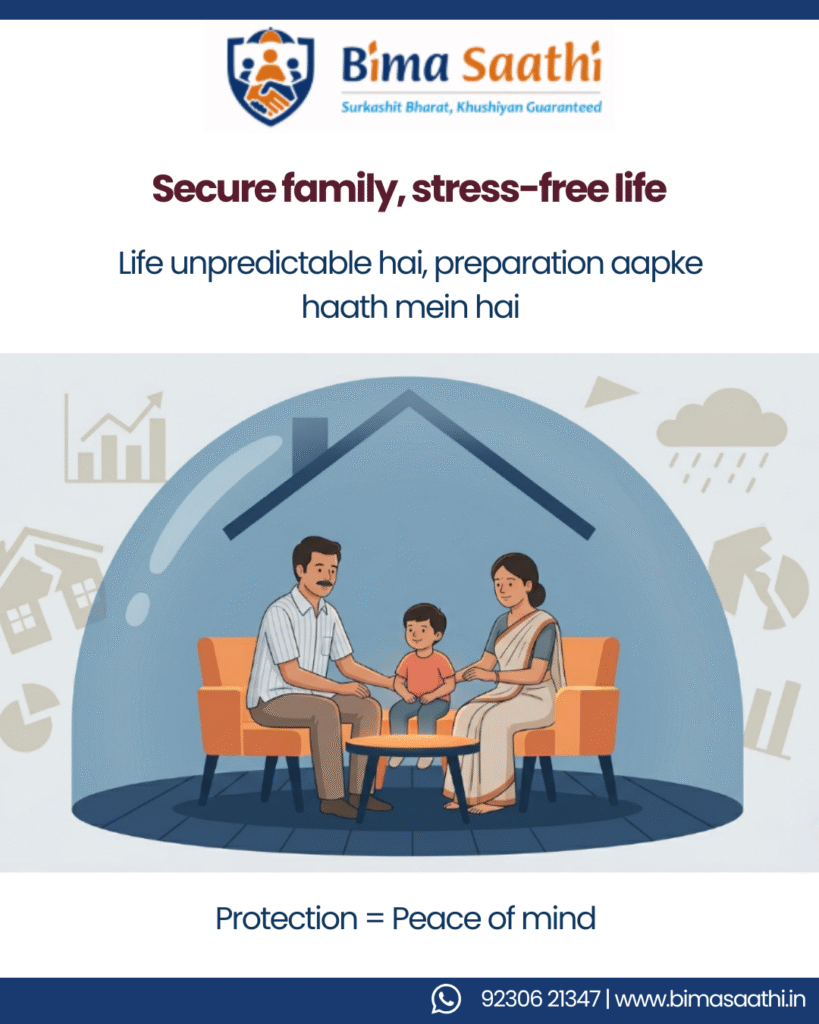
If your income pauses, what changes? For most, everything changes. Term insurance with income payout options acts as a “salary replacement,” ensuring your family’s standard of living remains future-proof.
“Abhi enjoy kar lete hain baad mein dekh lenge.”
Yeh line familiar lagti hai?
India mein aaj bhi majority financial decisions emotion-first hote hain, planning baad mein aati hai. But jab baat aati hai income aur stability ki toh yeh trade-off samajhna bahut zaroori hai.
👉 Income Protection: The Foundation of Financial Stability
https://bimasaathi.in/income-protection-the-foundation-of-financial-stability/
🧠 Psychology Behind the Trade-Off
Human brain short-term reward ko prefer karta hai.
Isliye:
- Netflix over learning
- Spending over saving
- Comfort over discipline
But successful log kya different karte hain?
👉 They delay gratification.
Ek Harvard study ke hisaab se,
people who delay short-term rewards tend to have higher financial stability and career success over time.
Simple language mein:
“Jo aaj control kar leta hai woh kal control mein rehta hai.”
⚖️Balance Possible Hai Kya? Bilkul Hai.
Yeh blog yeh nahi keh raha ki:
👉 “Enjoy mat karo.”
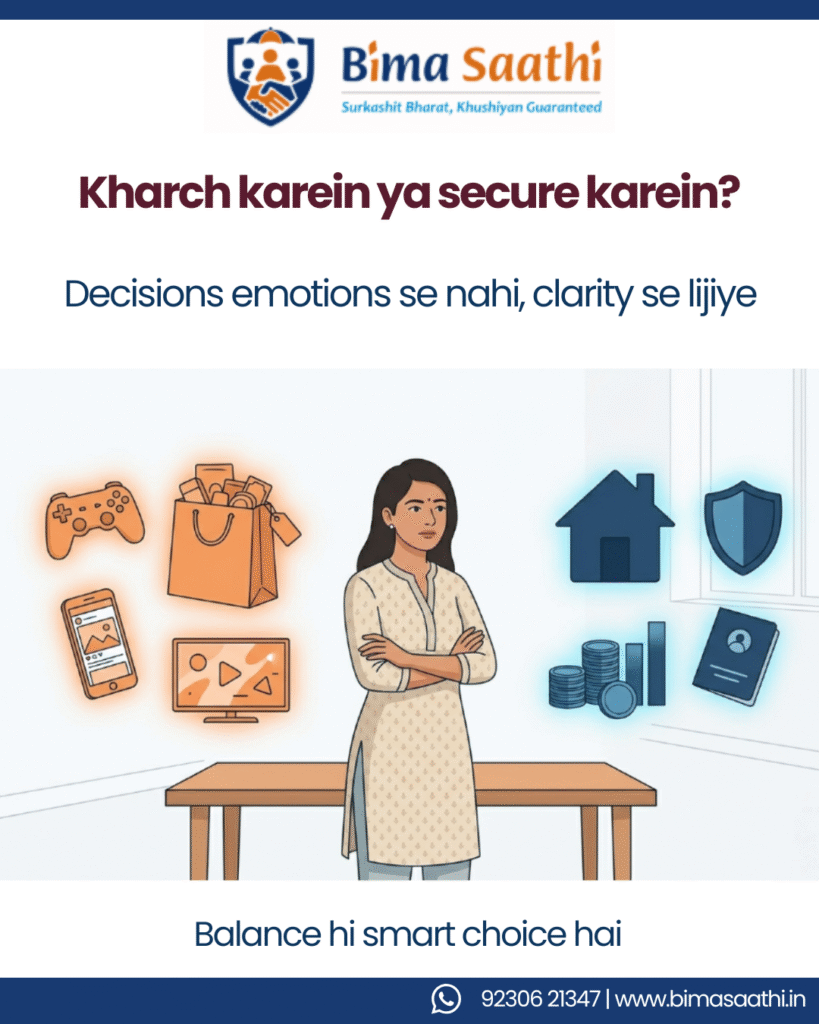
Balance hi real game hai.
Smart approach:
- 70% needs
- 20% savings/investment
- 10% lifestyle
Aur agar aap POSP ho ya banna chahte ho:
👉 Add one more layer:
- Skill building + side income
👉 Why Side Income is Becoming a Necessity in 2026 India: Beyond the Single Paycheque
Final Thought: Aapka Future Aapke Aaj Pe Depend Karta Hai
- The Conflict: Humans are biologically wired for “Instant Gratification,” often prioritizing current desires over future needs.
- The Risk: Focusing solely on today’s happiness can lead to a “Protection Gap,” leaving you vulnerable to health crises, job loss, or inflation.
- The Solution: Building a safety net through structured budgeting (like the 50-30-20 rule), emergency funds, and comprehensive insurance.
- The Goal: Achieving “Sustainable Happiness” – the ability to enjoy life today without the underlying anxiety of financial instability.
Saathi Ke Saath Clarity Se Shuru Karein
Agar aap:
- Extra income explore karna chahte hain
- Financial stability build karna chahte hain
- POSP opportunity samajhna chahte hain
Toh hum aapke saath hain—guide karne ke liye, push karne ke liye nahi.
📞 Call / WhatsApp: + (91) 92306 21347
📧 Email: support@bimasaathi.in
🌐 Visit: www.bimasaathi.in
Decision aapka hoga. Saath hum denge.
FAQs
1. What is short-term happiness vs long-term security?
Short-term happiness means instant satisfaction, while long-term security focuses on stable financial planning and future protection.
2. Why is long-term financial security important in India?
Long-term financial security protects families from income loss, emergencies, and rising expenses, which are common risks in India.
3. Can a POSP career help in long-term financial security?
Yes, a POSP career can provide an additional income stream and financial stability when built with consistency and ethical practices.
4. How to balance short-term spending and long-term savings?
A balanced approach includes budgeting, saving regularly, and avoiding unnecessary debt while still allowing controlled lifestyle spending.
5. What are the risks of focusing only on short-term happiness?
Focusing only on short-term happiness can lead to financial stress, lack of savings, and vulnerability during emergencies.

Leave A Comment